All Regarding Shipping Containers: Discovering Their Convenience and Practical Applications
Shipping containers have transcended their initial purpose of cargo transportation, coming to be multifunctional properties in various fields. Their modular design enables innovative applications, from economical real estate options to mobile workplaces. Additionally, they act as pop-up retail shops and support lasting techniques. This transformation raises questions about their potential effect on metropolitan advancement and community interaction. What various other possibilities might arise from these adaptable structures?
The Development of Shipping Containers: From Transportation to Makeover
As the worldwide economic climate expanded in the mid-20th century, shipping containers became an innovative service to the inefficiencies of conventional cargo transport. These standardized steel boxes enabled seamless loading and unloading, greatly reducing the moment and labor associated with Shipping products. The introduction of containers changed ports into efficient centers of worldwide trade, facilitating the surge of global Shipping networks.
Gradually, the design and modern technology of Shipping containers advanced, causing developments such as refrigerated containers for perishable items and specialized containers for harmful materials. The convenience of Shipping containers extended beyond transport, motivating new applications in numerous markets. They ended up being integral to logistics, cultivating just-in-time production and worldwide supply chains.
This development marked a change in just how products were moved and kept, establishing the stage for additional exploration of their possibility in varied fields, including building and construction and retail.
Cutting-edge Housing Solutions: Container Residences
An expanding variety of architects and building contractors are turning to delivering containers as a viable option for sustainable and budget friendly real estate. These structures supply a special mix of durability and flexibility, making them an appealing option for various domestic demands. Shipping containers can be changed right into comfortable homes, environment-friendly sanctuaries, or perhaps multi-unit houses, enabling for innovative layouts that enhance room and resources.
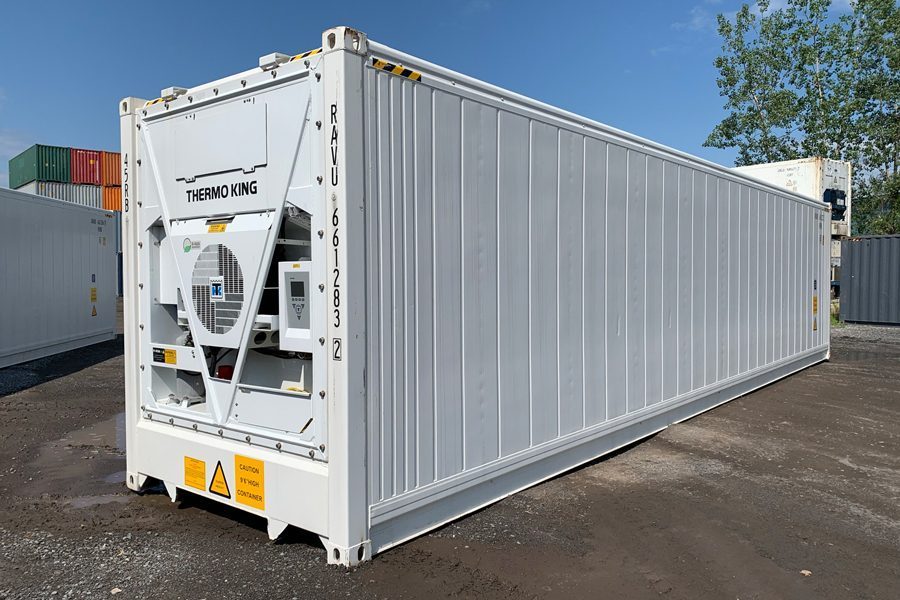
As urbanization continues to increase, container homes provide a possibility to address housing scarcities while promoting lasting living practices. This cutting-edge approach challenges standard principles of home building and construction and paves the way for a brand-new age in real estate services.
Mobile Workplaces: The Surge of Container Workspaces
With the increasing demand for versatile workplace, mobile offices built from delivering containers are acquiring appeal amongst organizations looking for adaptable and affordable remedies. These repurposed containers offer a special mix of toughness and flexibility, making them ideal for firms that require on-site or short-lived work spaces. The modular layout permits very easy modification, making it possible for companies to customize the indoor format to their details demands, whether for joint job, personal offices, or conference locations.
Delivering container workplaces can be rapidly deployed to numerous places, improving operations for building and construction websites, events, or remote projects. Their eco-friendly features likewise attract organizations concentrated on sustainability, as they advertise reusing and effective use products. As remote job remains to evolve, the convenience of mobile offices made from delivering containers settings them as a useful option for contemporary company obstacles, improving productivity home while decreasing overhead prices.
Retail Transformation: Shipping Containers as Pop-Up Shops
Delivering containers are transforming the retail landscape by acting as innovative pop-up stores that capture customer attention and improve brand exposure. Their modular layout permits very easy personalization, making them perfect for different retail concepts, from style stores to artisanal food markets. used 40ft cold storage containers for sale. Sellers gain from the adaptability of Shipping containers, allowing them to establish short-lived places in high-traffic locations, festivals, or metropolitan rooms where conventional stores might be impractical
These site pop-up stores not just provide an one-of-a-kind shopping experience however additionally foster community interaction by bring in diverse clients. Brand names can trying out new markets without the long-term commitment of a long-term lease. On top of that, the striking aesthetic of repurposed containers commonly attracts interested consumers, developing a buzz around the brand. As the retail atmosphere proceeds to develop, shipping containers attract attention as a vibrant solution for companies seeking to introduce and attach with customers.
Sustainable Practices: Eco-Friendly Uses for Shipping Containers
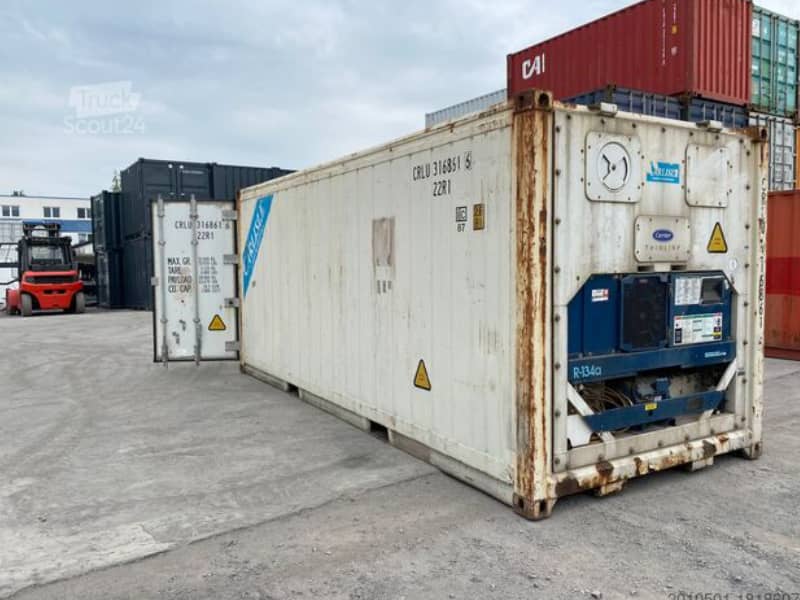
Repurposing Shipping containers prolongs beyond retail development, offering a sustainable service for different green applications. These containers can be changed right into functional spaces such as homes, workplaces, and neighborhood centers, substantially reducing the need for new construction materials. By utilizing existing frameworks, the carbon footprint related to traditional structure techniques decreases.
Additionally, delivering containers can function as urban yards or greenhouses, promoting local farming and improving food safety. Their modular design permits very easy stacking and plan, developing flexible spaces for community campaigns, such as farmers' markets or academic workshops.
Furthermore, containers can be equipped with renewable resource resources, such as photovoltaic panels, to produce off-grid centers. This flexibility not just optimizes land usage yet also motivates lasting living methods. Overall, the green applications of Shipping containers highlight their possible to contribute positively to ecological sustainability while addressing the growing need for innovative, economical spaces.
Often Asked Inquiries
What Are the Dimensions of Criterion Shipping Containers?
The conventional Shipping container measurements commonly consist of 20 feet in size, 8 feet in width, and 8.5 feet in height for the normal model, while a 40-foot version preserves the very same width and height.
Exactly how Much Does a Shipping Container Normally Cost?
The normal cost of a delivery container differs substantially, usually varying from $2,000 to $5,000 depending upon market, condition, and dimension demand. Costs might vary based upon area and additional functions needed by customers.
Can I Personalize a Shipping Container for My Needs?
The possibility of tailoring a delivery container exists, allowing individuals to customize measurements, attributes, and capability according to details needs - used 40ft cold storage containers for sale. This versatility makes Shipping containers appropriate for various applications, enhancing their overall utility and appeal
What Is the Life-span of a Delivery Container?

Are Shipping Containers Safe for Food Storage Space?
The safety of Shipping containers for food storage space depends upon their condition and products. Properly cleaned and maintained containers can be safe, yet possible chemical residues and contaminants have to be extensively resolved prior to use.
Over time, the layout and modern technology try this out of Shipping containers advanced, leading to technologies such as chilled containers for subject to spoiling products and specialized containers for dangerous products. The versatility of Shipping containers extended beyond transport, motivating brand-new applications in different markets. Repurposing Shipping containers expands past retail technology, supplying a sustainable remedy for numerous environment-friendly applications. The common cost of a delivery container differs considerably, typically varying from $2,000 to $5,000 depending on market, size, and condition need. The opportunity of customizing a shipping container exists, allowing people to customize dimensions, functions, and capability according to details needs.